Marketo Auto
When inspecting the air intake system of a vehicle, one common concern arises: "Why is there oil inside my air intake hose?" This question reflects broader challenges found in automotive maintenance. According to recent industry reports, over 20% of vehicles experience air intake issues, often linked to oil contamination. Oil in the air intake hose may not just be a nuisance. It can impact engine performance, fuel efficiency, and long-term reliability.
Several factors contribute to the presence of oil. For instance, a malfunctioning Positive Crankcase Ventilation (PCV) valve can permit oil vapors to enter the intake system. Furthermore, turbocharged engines are more susceptible due to higher pressures and temperatures, resulting in oil seepage. Mechanics often cite that addressing these issues promptly is essential to prevent costly repairs later.
Addressing oil in the air intake hose requires both insight and experience. While some fixes may appear straightforward, they often reveal deeper mechanical flaws. A comprehensive understanding of vehicle systems is critical. Observations and routine checks can uncover underlying issues, fostering a proactive vehicle maintenance strategy.
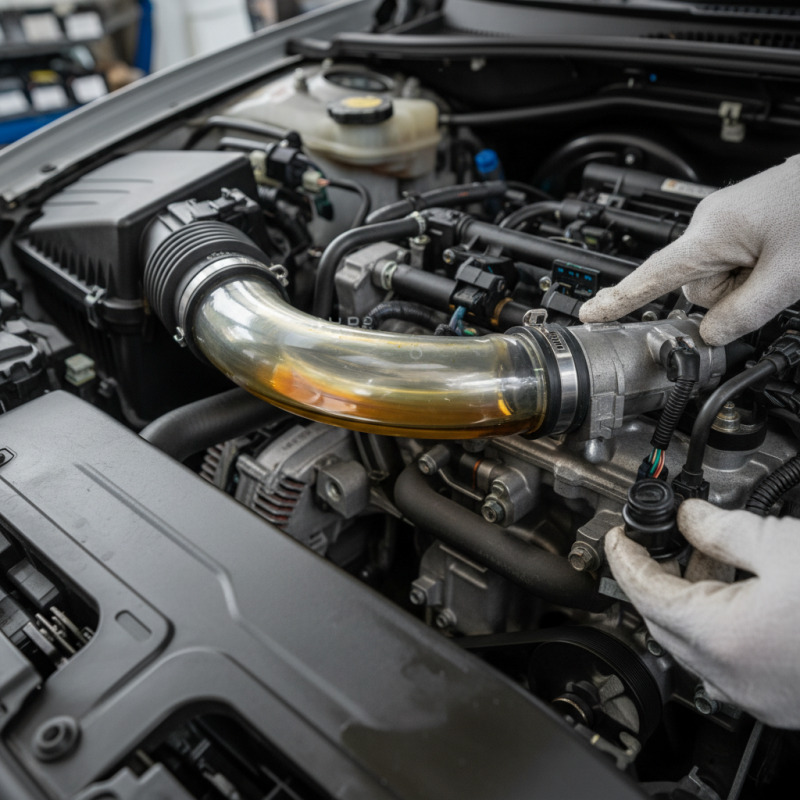
Identifying symptoms of oil in the air intake hose can prevent major engine issues. One common sign is excessive smoke from the exhaust. This smoke may appear bluish and indicate that oil is burning in the cylinders.
Another symptom is a decrease in engine performance. If your vehicle hesitates or struggles during acceleration, it could stem from oil contamination affecting the air-fuel mixture.
Oil leaks or residue around the intake hose are key indicators. Check for any oily buildup on your engine's surface, especially near joints and connections. This buildup may over time lead to clogs or reduce airflow, impairing engine efficiency. Pay attention to your oil consumption. If you find yourself refilling oil more frequently, it could signal underlying problems.
Tips: Regular inspections of the air intake system can help catch issues early. Look for cracks or wear in the hoses. If you notice unusual oil levels, consider seeking professional help. Maintaining a clean air intake will enhance engine longevity. Document any changes you observe. Doing so can assist mechanics in diagnosing the problem more effectively.
Oil leakage in your air intake system can lead to significant engine performance issues. Understanding the root causes is essential for effective diagnosis and repair. One major factor is the failure of the positive crankcase ventilation (PCV) system. A malfunctioning PCV valve can cause excessive pressure in the crankcase. This pressure forces oil into the air intake hose. Studies suggest that up to 25% of vehicles may experience some PCV-related issues.
Another possible cause is the deterioration of seals and gaskets in the engine. Age and exposure can degrade these components, leading to leaks. In fact, a report by the Society of Automotive Engineers indicates that 20% of oil leaks in older models are due to worn gaskets. Regular inspection and maintenance can help prevent this issue but often go overlooked.
Drivers may also overlook the symptoms of oil in their air intake. Increased engine oil consumption and visible oil residue can be easy to dismiss. However, addressing these signs early on can save costly repairs later. Neglecting airflow issues could impair engine efficiency and longevity. Being proactive ensures that small problems do not escalate into major repairs.
When dealing with oil in your air intake hose, the first step is to inspect the hose itself. Look for any visible cracks or damage. Oil residue often accumulates due to leaks or improper seals. Use a flashlight to check for hard-to-see spots. The presence of oil can indicate issues with your engine's PCV system, which manages engine blow-by gases.
Next, it’s crucial to diagnose the problem accurately. Start the engine and listen for abnormal sounds. A struggling engine can hint at deeper issues. Pay attention to heavy acceleration; it may signal that the air intake is compromised. Consider conducting a pressure test. This can help identify leaks that might not be apparent to the naked eye.
Reflect on your routine maintenance practices. Regular checks on the air intake system, along with timely oil changes, can prevent future issues. If you discover excessive oil, you may need to consult a professional. They can offer insights into underlying engine problems. Relying solely on DIY methods might not always yield the best results. Keep a detailed record of your observations for reference. This could help in future troubleshooting or maintenance work.
Cleaning and repairing your air intake hose is crucial. Oil buildup can disrupt air flow. According to a recent study, nearly 35% of engine performance issues stem from air intake problems. Ignoring this can reduce fuel efficiency and increase emissions.
Start by checking for visible oil leaks. Inspect the hose for cracks or loose connections. If oil is present, it may indicate a failing PCV valve. This component manages crankcase gases, and its malfunction can lead to excess oil in the intake system. Use a cloth to wipe away any oil residue you see. Then, consider using a specialized cleaner designed for the intake system.
After cleaning, reassemble the hose carefully. Ensure all clamps and connections are tight. This step is vital, as loose fittings can cause a high-pressure drop. Some experts suggest monitoring engine performance post-repair. A decrease in acceleration lag can indicate a successful fix. Additionally, regularly inspecting the air intake system can help prevent future issues.
When addressing oil in the air intake hose, prevention is crucial. An investigation by the Society of Automotive Engineers (SAE) indicates that nearly 30% of engine performance issues arise from dirty or contaminated air intake systems. Regular maintenance can significantly reduce these problems. Implementing routine checks ensures any oil leaks are detected early, preventing further complications. Keeping the air filter clean helps maintain optimal air flow, reducing the risk of oil buildup.
To avoid future oil issues, drivers should invest in quality components for their engines. Instead of choosing the cheapest option, consider reliability. A report by the Automotive Research Association found that using subpar parts could increase the probability of oil leaks by up to 50%. Regularly inspecting joints and seals can mitigate potential leaks. Additionally, monitoring the engine’s performance and oil levels can highlight issues before they escalate, leading to costly repairs.
: Check for visible cracks or damage. Look for oil residue indicating leaks or improper seals.
Start the engine and listen for abnormal sounds. Heavy acceleration may signal a compromised intake.
Routine checks can prevent future issues. Regular oil changes also keep the system functioning well.
Keep the air filter clean and implement routine checks to detect any leaks early.
Invest in quality parts instead of the cheapest options to reduce the risk of oil leaks.
Regularly check engine performance and oil levels. This can prevent costly repairs down the line.
A struggling engine sound might hint at underlying problems in the intake or other systems.
No, consulting a professional can provide better insights for complex problems that DIY may not resolve.
Maintain detailed observations of your air intake system conditions for future reference and maintenance.
The presence of oil in your air intake hose can be concerning, leading to questions like "Why is there oil inside my air intake hose?" It is crucial to first identify the symptoms of this issue, which may include poor engine performance, excessive smoke, or unusual oil consumption. Understanding the primary causes of oil leakage, such as worn seals or faulty components, can guide you in addressing the problem effectively.
To inspect and diagnose the air intake hose, you should conduct a thorough examination of the hose and associated parts to spot any leaks or damage. Cleaning and repairing the hose involves removing any accumulated oil and replacing damaged sections. To prevent future oil issues, regular maintenance and checks on the intake system are essential, ensuring all components function correctly and reducing the risk of oil buildup inside the air intake hose.
