Marketo Auto
Hydraulic steering systems are essential for the smooth operation of vehicles. However, many drivers often wonder, "Why do hydraulic steering pipes vibrate during turns?" Understanding this issue requires a closer look at hydraulic mechanics and potential causes.
Pipes in hydraulic steering systems carry fluid under pressure. When you turn sharply, the flow changes, leading to vibrations. Several factors contribute to this phenomenon. For instance, worn components can lead to imbalances. Additionally, improper installation might cause misalignments, resulting in excessive movement.
You might observe that various vehicles behave differently. Some experience minor vibrations, while others shake more violently. This inconsistency can be troubling and, at times, confusing. Nevertheless, a thorough inspection can uncover the root cause. Awareness of these nuances helps in diagnosing and rectifying the issue effectively. Understanding hydraulic steering dynamics empowers owners to maintain vehicle performance and ensure safety.
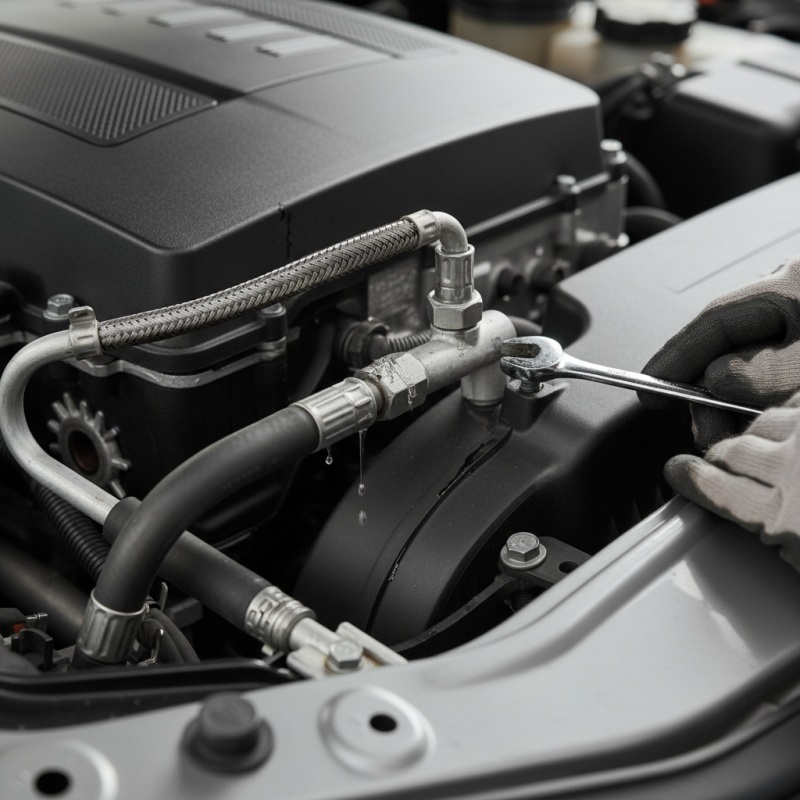
Hydraulic steering systems play a critical role in vehicle maneuverability. They consist of several components, including the pump, steering gear, and hydraulic lines. Each part must work seamlessly together to ensure smooth operation. When turning, these components are under stress, often leading to vibrations in the steering pipes.
Multiple factors contribute to the vibration of hydraulic steering pipes during turns. One reason could be the high pressure generated in the hydraulic system. If the pipes are not adequately secured, this pressure can create oscillations. A loose connection or damaged fittings may also lead to excessive movement, causing unwanted noise and feedback through the steering wheel.
Over time, wear and tear can cause issues in the hydraulic system. For instance, the fluid levels and quality can significantly affect performance. Dirty or low fluid can lead to cavitation and air bubbles, creating a chaotic environment.
Maintenance is essential, but many overlook it until problems arise. Regular checks can prevent vibrations and ensure the steering system performs optimally. Understanding these details can help vehicle owners be proactive about their steering systems.
Hydraulic steering pipes are essential for smooth vehicle maneuverability. However, drivers often experience vibrations during turns. Understanding the common causes of these vibrations can aid in effective troubleshooting.
One prevalent issue is misalignment. If the hydraulic pipes are not correctly aligned, they can create stress points. These points often lead to vibrations when turning.
Another factor involves fluid turbulence. When hydraulic fluid flows quickly during a turn, it can cause instability in the pipes. This turbulence generates vibrations that can be felt in the steering system.
Worn-out components also contribute to vibration issues. Flexible hoses may degrade over time, resulting in increased play in the system. This wear causes noise and movement that could manifest as vibration.
Lastly, improper mounting can lead to excessive movement of the pipes, amplifying these vibrations. Addressing these issues requires attention and expertise. Regular maintenance can often prevent these common problems. Noticing these signs early can save time and resources.
Hydraulic steering pipes are crucial for smooth vehicle maneuvering. However, they can vibrate during turns. This vibration is significantly influenced by fluid dynamics. When a vehicle turns, the fluid within the pipes shifts rapidly. This movement can create turbulence, leading to vibrations. The design of the pipes, including their diameter and bends, also affects how fluid flows through them.
Understanding fluid dynamics can minimize these vibrations. Maintaining proper fluid levels is essential for optimal performance. Low fluid levels can lead to air bubbles, worsening vibrations. Regularly check for leaks, as they can disrupt fluid flow. Proper installation of steering pipes is necessary. Ensure pipes are secured correctly to prevent unnecessary movement during turns.
Invest in regular maintenance of the hydraulic system. This can help catch issues early. Consider using high-quality fluids that reduce turbulence. A fluid with proper viscosity can improve overall steering response. Taking these steps can lead to a smoother driving experience, reducing the vibrations felt during turns.
Hydraulic steering pipes experience vibrations during turns, heavily influenced by steering angles and vehicle speed. The steering angle directly affects the hydraulic pressure within the pipes. According to a recent study by the Society of Automotive Engineers, a sharper steering angle can increase pressure fluctuations, potentially causing unwanted vibrations.
Speed plays a critical role as well. Research indicates that as vehicle speed increases, so does the frequency of vibrations in hydraulic systems. A test conducted by the International Journal of Vehicle Design found that vibrations can escalate significantly at speeds exceeding 50 km/h. High speeds amplify the forces acting on steering components, leading to uneven fluid dynamics in the pipes.
At times, it's essential to reflect on the consequences of these vibrations. Persistent vibrations not only reduce driver comfort but can also lead to premature wear of steering components. A report from the National Highway Traffic Safety Administration highlighted that excessive vibrations could cause long-term issues, compromising safety. Addressing these concerns requires comprehensive testing and adjustments to steering systems for optimal performance.
Hydraulic steering systems are complex and require regular maintenance to function smoothly. During turns, vibration can become a significant issue. This vibration often originates from loose connections or worn-out components. Such problems can lead to performance decreases and potential safety hazards. Maintaining the integrity of the hydraulic pipes is essential for optimal steering control.
Inspecting the hydraulic system periodically allows for early detection of issues. Look for signs of wear, such as frayed hoses or damaged fittings. Also, ensure fluid levels are adequate and check for leaks. Addressing these problems promptly minimizes the risk of severe vibrations. A well-maintained system not only enhances safety but improves overall driving comfort.
However, even with diligent care, some vibrations may still occur. This could be due to design flaws or manufacturing inconsistencies. Identifying the source of the vibration requires careful troubleshooting. Sometimes, achieving a perfect solution may take multiple attempts and adjustments. Continuous learning from maintenance practices plays a vital role in improving reliability over time.
: Misalignment of pipes is a common cause. It creates stress points that lead to vibrations.
Yes, rapid fluid flow during turns can cause instability, generating vibrations felt in the steering.
Degraded flexible hoses create increased play, leading to noise and movement that causes vibrations.
Improper mounting leads to excessive movement of pipes, which can amplify vibrations during driving.
Regular inspections are essential. Look for wear signs like frayed hoses and check fluid levels.
Identifying the source can be challenging. Troubleshooting may require multiple adjustments and patience.
Yes, some vibrations might result from design flaws or manufacturing inconsistencies requiring careful examination.
A well-maintained system enhances safety and minimizes vibrations, leading to a more comfortable driving experience.
Hydraulic steering systems play a crucial role in vehicle maneuverability, but they can experience vibrations in the steering pipes during turns. Understanding why hydraulic steering pipes vibrate during turns involves examining the system's components and identifying common factors that contribute to this issue. Key causes of vibration include misalignment, insufficient fluid dynamics, and variations in steering angle and speed.
Fluid dynamics significantly influence the performance of hydraulic pipes, as turbulent flow can lead to resonance and enhanced vibrations. Additionally, sharp turns and high speeds can exacerbate these effects, making it essential for vehicle operators to maintain and troubleshoot their hydraulic steering systems effectively. By doing so, they can reduce vibrations and improve the overall driving experience.
