Marketo Auto
The sound of a whistling power steering hose can be concerning for any vehicle owner. Many may wonder, "Why is my power steering hose whistling?" This noise often indicates an underlying issue that needs attention. Understanding the reasons behind this sound is crucial for maintaining your vehicle's performance.
A whistling hose can arise from various factors such as air leaks, low fluid levels, or even a worn-out hose. These issues may lead to reduced steering efficiency, making driving less safe. If left unchecked, problems can escalate, resulting in costly repairs.
While some may ignore the sound for a while, it’s important to take it seriously. Recognizing the signs early can prevent further damage to your power steering system. Regular inspection and maintenance can go a long way in ensuring a smooth ride. Paying attention to unusual noises helps build a reliable relationship with your vehicle.
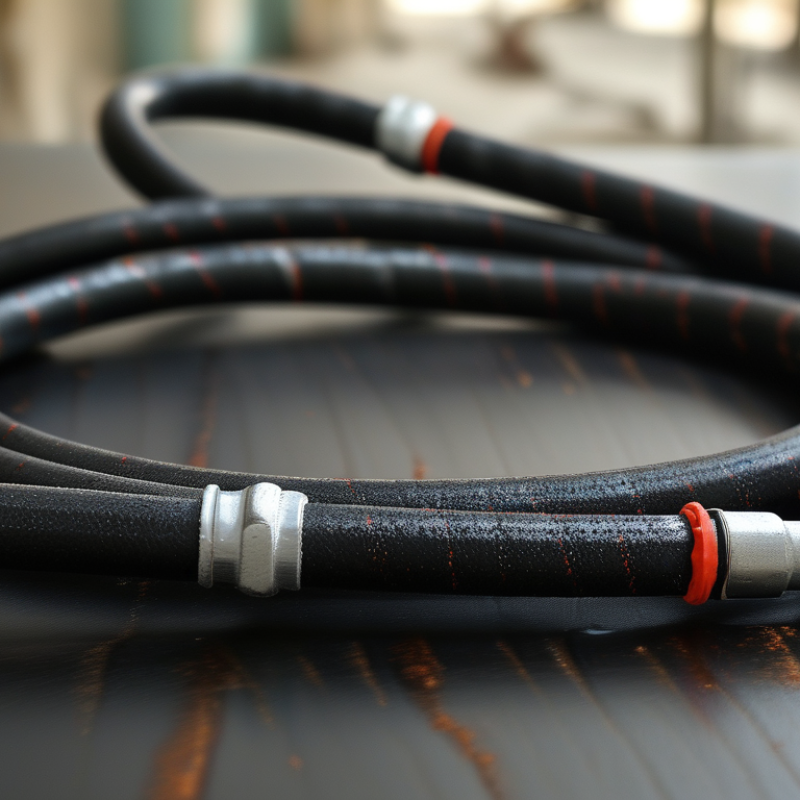
The power steering hose plays a crucial role in the overall functionality of a vehicle's steering system. It is responsible for transferring hydraulic fluid from the power steering pump to the steering gear. This hydraulic action assists in reducing the effort needed to steer the vehicle, especially at lower speeds. According to a recent industry report, nearly 30% of power steering system issues are linked directly to hose failures. Such failures can lead to noticeable symptoms, including hissing or whistling sounds.
Understanding the structure of a power steering hose is essential. Typically made from reinforced rubber, these hoses are designed to withstand high pressure and temperature. However, over time, they can become brittle or develop leaks, impairing their function. Research indicates that regular inspections can reduce the likelihood of hose-related issues by over 50%. Observing signs of wear, such as fraying or discoloration, can prevent more severe problems down the line. Staying attentive to these details could save drivers both time and money in repairs.
Whistling noises from your power steering hose can be annoying. Understanding the common causes of these sounds can help you find a solution. A typical cause is air trapped in the power steering fluid. As fluid circulates, the air gets compressed, creating a whistle. Another reason might be worn-out or damaged hoses. Over time, hoses can develop cracks, causing air to escape and produce noise.
Low power steering fluid levels can also result in whistling. When the fluid is low, the pump may struggle, leading to abnormal sounds. A failing power steering pump can produce a similar effect. If you hear persistent whistling, it could indicate pump issues that need immediate attention.
**Tips:** Check the fluid level regularly. A simple top-up can sometimes resolve the noise. Inspect hoses for visible wear and tear. If you find any damage, consider replacing them. Regular maintenance is key to keeping your steering system quiet and efficient. Ignoring whistling can lead to bigger problems down the road.
| Cause | Description | Solution |
|---|---|---|
| Air in the System | Air bubbles trapped in the power steering fluid can cause whistling noises. | Bleed the power steering system to remove trapped air. |
| Leak in the Hose | A cracked or damaged hose can lead to fluid leaks and whistling sounds. | Inspect the hose for damage and replace if necessary. |
| Fluid Level Issues | Low power steering fluid levels may result in whistling noises. | Check and refill the power steering fluid to the proper level. |
| Worn Components | Worn or damaged pump components can cause unusual noises. | Inspect and replace worn components as needed. |
| Clogged Filter | A clogged power steering filter can restrict fluid flow and cause noise. | Clean or replace the power steering filter. |
A whistling sound from your power steering hose can be annoying. It usually signals an underlying issue. Identifying the source of the noise is crucial to avoid further damage. Start by inspecting the hose itself for any visible wear or cracks. A damaged hose can lead to air entering the system, causing the whistling sound.
Next, check the power steering fluid level. Low fluid can create air bubbles, resulting in a whistling noise. If the level is low, top it up and see if the noise persists. Additionally, listen carefully while turning the steering wheel. The sound may change as you apply force, indicating a problem with your power steering pump or line connections.
While diagnosing, don’t overlook the possibility of loose clamps or fittings. Tightening these may solve the issue. Yet, some whistling sounds are subtle and could be easy to miss. If you aren’t sure, seek a professional's advice. It's important to get a second opinion if the noise continues. Trust your instincts; weird sounds rarely disappear on their own.
A whistling sound from your power steering hose can signal a problem. This noise often arises from air trapped in the system or leaks. Understanding how to fix it is essential for vehicle safety and performance.
To address the issue, start by inspecting the power steering hose. Look for any signs of wear or damage. Cracks or loose connections can introduce air, leading to that whistling noise. Using a flashlight, closely examine all hose junctions. Ensure fittings are tight and there are no visible leaks. If you discover a cracked hose, replacing it promptly is crucial.
When you replace the hose, it’s important to purge the system of air. Follow your vehicle's manual for the specific procedure. This typically involves turning the steering wheel from lock to lock several times. It helps eliminate trapped air, restoring smoother operation. Remember, a well-functioning power steering system is vital. Studies show nearly 70% of power steering issues stem from hose problems.
Tips: Regular inspections of your power steering components can save you money. Look for early signs of wear or noise. Keeping your fluid topped up is also important. Low fluid levels can exacerbate the whistling issue. Consider flushing the system at recommended intervals to maintain hydraulic integrity.
When dealing with power steering issues, it's crucial to recognize when professional help is needed.
Experts recommend paying attention to specific warning signals. A whistling sound from the power steering hose could indicate air trapped in the system or low fluid levels.
According to the Vehicle Service Professionals report, over 40% of power steering system failures stem from inadequate maintenance.
Ignoring such symptoms might lead to more severe problems. A complete power steering failure can happen if these signs are overlooked.
Diagnostics can become costly, ranging from $100 to $250, depending on location and issue complexity.
If the whistling persists, it's best to consult a qualified mechanic. They can evaluate the system thoroughly.
They may also use specialized equipment to detect leaks or air pockets.
Recognizing when to seek assistance is vital for long-term vehicle performance.
Regular inspections can help prevent escalating issues, but some problems need immediate attention. For instance, if the steering feels stiff or unresponsive alongside the whistling, don’t delay.
Studies show that timely intervention can save drivers significant repair costs, nearly averaging $400 in savings for routine maintenance versus delayed service.
Ultimately, maintaining your vehicle should be a proactive process, not a reactive one.
: Whistling often comes from trapped air in the fluid or damaged hoses. Cracks in hoses allow air to escape.
Low fluid levels can cause the pump to struggle, leading to whistling and abnormal sounds during steering.
Seek help if whistling persists or if the steering feels stiff and unresponsive. Don’t ignore these signals.
Regular checks can prevent issues. Ignoring maintenance could lead to costly repairs, sometimes averaging $400 in savings.
Regularly observe the fluid reservoir. A simple top-up may resolve some whistling noises.
Ignoring these sounds might escalate into complete power steering failure, leading to significant repair costs.
Inspect hoses regularly. If you find cracks, consider replacing them to prevent further issues.
Basic checks are fine, but consider professional help for thorough diagnostics. Complex issues require specialized tools.
Diagnostics can range between $100 and $250, depending on the location and complexity of the issue.
Air trapped in the steering system creates noise and can lead to inefficient steering actions if not addressed.
The article "Why Does My Power Steering Hose Whistle and How to Fix It?" explores the functionality of the power steering hose and identifies common causes for the whistling sounds it may produce. Whistling can arise from issues such as air leaks, fluid contamination, or worn-out components in the steering system. By following a structured approach to diagnose the source of the noise, car owners can effectively pinpoint the cause of the problem.
To fix a whistling power steering hose, the article outlines essential steps including checking for leaks, ensuring proper fluid levels, and replacing any damaged sections of the hose. Importantly, it advises when to seek professional help for persistent issues, highlighting that understanding "Why is my power steering hose whistling" can lead to timely maintenance and safer driving experiences.
