 Marketo Auto
Marketo Auto
Marketo Auto
A transmission oil cooler line protects the gearbox from heat, pressure, and contaminated fluid. When it fails, the damage may begin quietly. A damp fitting, a dark red stain, or a sharp fluid smell can be the first warning.
So, what are the signs of a failing transmission oil cooler line? The answer often depends on where the leak starts, how quickly fluid escapes, and whether the transmission still receives adequate cooling. Industry guidance from ATRA and Sonnax stresses that cooler-line inspection should include fittings, crimped sections, rubber hoses, and connection points near the radiator or external cooler. These areas can harden, loosen, corrode, or split from vibration.
Heat is the enemy.
The 2024 J.D. Power U.S. Vehicle Dependability Study reported 190 problems per 100 vehicles across all vehicle systems. However, that study groups transmission complaints broadly and does not measure cooler-line failures separately. This limitation matters. There is no universal failure-rate report for these lines, so diagnosis must rely on vehicle history, service information, pressure checks, and visible evidence. NHTSA complaint records can reveal patterns, but they do not replace a professional inspection.
A practical inspection may find fluid on the driveway, delayed shifting, slipping under load, or rising transmission temperature. Sometimes, though, the line is not the real cause. A leaking radiator tank, damaged seal, or overfilled transmission can create similar symptoms. These seven tips focus on careful observation, confirmed testing, and the small details that prevent a minor leak from becoming an expensive transmission repair.
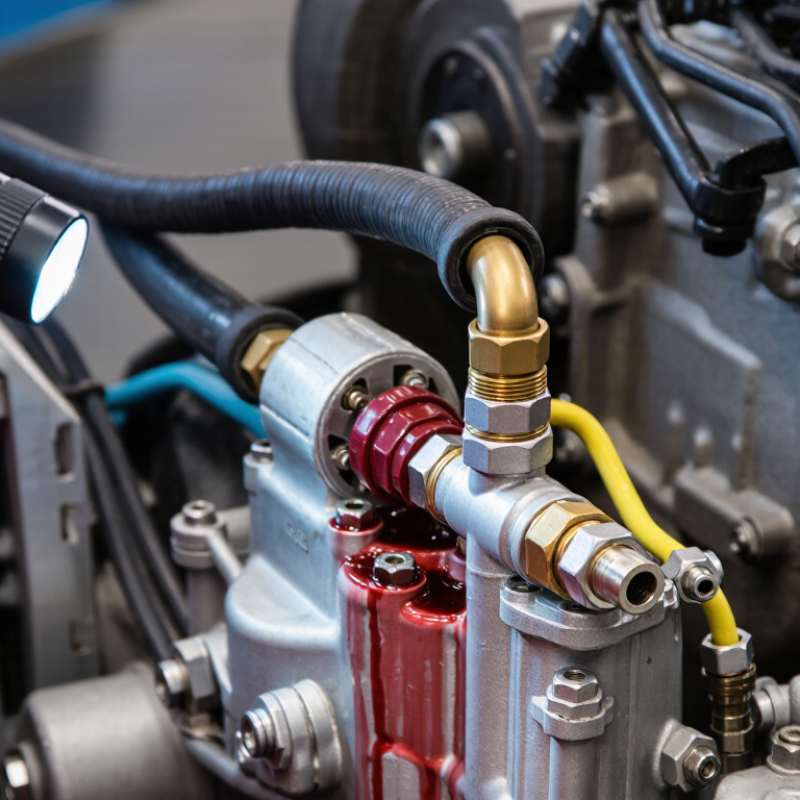
Understanding the Transmission Oil Cooler Line and Its Function
A transmission oil cooler line carries hot automatic transmission fluid to a heat exchanger. The exchanger removes heat before the fluid returns to the transmission. This circuit supports clutch control, lubrication, and smooth shifting. SAE thermal-management research shows that fluid temperature strongly affects viscosity, oxidation, and component durability. ATRA technical guidance commonly warns that fluid above 175°F can age rapidly, especially during towing or stop-and-go driving. Temperature matters more than many owners expect.
Seven symptoms deserve attention. One, inspect red or brown fluid under the vehicle. Two, check wet fittings near the radiator or external cooler. Three, notice a burnt smell after driving. Four, watch for delayed engagement or harsh shifts. Five, look for slipping under acceleration. Six, monitor rising transmission temperature. Seven, examine cracked, swollen, or rusty tubing. A small leak can become serious.
I once focused on the fluid level and missed a damp cooler connection. That mistake changed my inspection routine. I now wipe the line dry, drive briefly, and recheck the fitting with a flashlight. Never tighten a damaged line blindly. The connection may need a new seal or complete replacement. The U.S. Department of Energy’s vehicle guidance identifies transmission-fluid temperature control as an important efficiency and durability factor. A cooler line should remain secure, clean, and free from sharp bends. Fresh fluid cannot compensate for restricted flow.
A small reddish-brown wet spot may appear under the front of the vehicle. Check the cardboard after parking overnight. Small leaks matter.
Wipe every fitting and crimp dry with a lint-free cloth. Drive for ten minutes, then inspect the connections again. Fluid may travel backward with airflow, so the lowest drip is not always the source.
Look for cracked rubber, swollen tubing, loose fittings, rust, and damaged clamps. Check bends carefully. A dry-looking fitting may leak only under pressure.
Dark fluid, a burnt odor, or metallic dust may suggest overheating or contamination. A clear sample is not proof of perfect condition. Appearance can mislead.
Yes, a slow cooler-line leak can lower fluid level and reduce pressure. Possible signs include delayed engagement, slipping, harsh shifts, or engine revving between gears. Stop driving if shifting becomes severe.
Watch temperature during towing, hill climbs, and stop-and-go traffic. A steadily rising reading or sharp temperature swing needs inspection. Use a scan tool when possible.
No. A grooved or corroded line surface can make a new seal fail. Inspect the complete fitting and line. I once blamed a wet pan gasket incorrectly.
Let the system cool before touching or examining it closely. Use proper lifting equipment and secure support. Keep hands away from moving parts and hot exhaust. Stay clear.
Request a pressure test when the leak remains unclear or flow seems restricted. Follow the vehicle’s service procedure. Continuing with low fluid can damage internal transmission parts.
A transmission oil cooler line helps carry hot transmission fluid to a cooler and return it at a safer operating temperature. What are the signs of a failing transmission oil cooler line? Common clues include reddish or oily fluid beneath the vehicle, dampness around line connections, cracked or swollen hoses, low fluid levels, and fluid that appears dark, dirty, or has a burnt smell. Regularly inspecting the cooler lines, fittings, and nearby surfaces can reveal small leaks before they become serious.
During driving, pay attention to rising transmission temperatures, delayed engagement, slipping, harsh shifting, unusual noises, or warning indicators. A failing line can reduce fluid pressure and cooling performance, causing internal components to overheat. To confirm the problem, check the fluid level and condition safely, inspect for active leaks, and use appropriate pressure or temperature testing. If symptoms continue, professional diagnosis can identify whether the line, fitting, or another transmission component requires repair.
