Why Patch a Leaking Radiator Hose in an Emergency?

Time:2026-10-12 Author:Aria
0%

A leaking radiator hose can turn a routine drive into a roadside emergency within minutes. Coolant may spray onto the engine, leaving a sharp sweet smell and a growing cloud of steam. Learning How to patch a leaking radiator hose in an emergency can help you reach a safe location. It cannot replace proper hose replacement.

Richard Reina, an ASE-certified technician and former Product Training Director at CARiD, emphasizes the temporary nature of this repair: “A roadside patch is a short-term measure, not a substitute for replacing the damaged hose.” His advice reflects practical workshop experience. Let the engine cool completely before touching the hose or radiator cap. A hot cooling system can cause severe burns. Keep water, gloves, cloth, and high-temperature repair tape in the vehicle if possible.

The emergency method usually involves locating the split, drying the surface, and wrapping it tightly with self-fusing silicone tape. A small clamp may reinforce the damaged area. Still, this approach has limits. A swollen hose, a split near its fitting, or heavy coolant loss may defeat any patch. I have seen temporary repairs hold for several miles, then fail without warning. That uncertainty matters. Stop immediately if the temperature gauge rises, steam returns, or the warning light appears. Never continue driving an overheating vehicle simply because the leak looks smaller. After reaching safety, arrange professional inspection and replace the hose, clamps, and contaminated coolant when necessary.
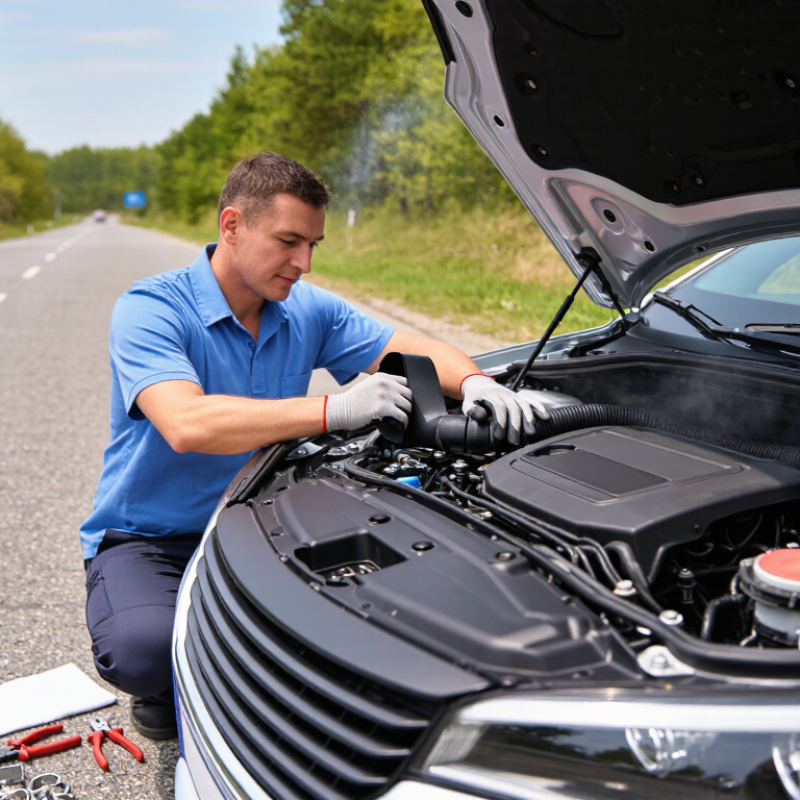
Why Patch a Leaking Radiator Hose in an Emergency?

Locate the Leak: Cooling Systems Commonly Operate at 13–16 psi

Why Patch a Leaking Radiator Hose in an Emergency?

A vehicle’s cooling system commonly operates at 13–16 psi when the engine reaches working temperature. That pressure is modest, but it can force coolant through a tiny hose split. The leak may appear as a thin spray, wet streak, or sweet-smelling steam near the radiator or engine. A loose clamp can create similar symptoms. Do not open the radiator cap while hot. Scalding coolant may escape suddenly.

Let the engine cool completely, then inspect the upper and lower hoses with a flashlight. Look for swollen rubber, soft areas, cracks, and dried coolant marks. Wipe the surface carefully before checking again. In roadside repairs, a suitable emergency sleeve and clamps can temporarily cover a small damaged section. A strong rubber strip may help, but it is not a dependable permanent repair. I have seen patches hold briefly, then fail when pressure rose again.

Keep hands, clothing, and tools away from belts and fans. If coolant continues dripping, the temperature warning rises, or steam returns, stop driving. A pressure tester can reveal leaks without running the engine, but use it carefully and follow its pressure limits. Never exceed the system’s rated pressure. Check the coolant level only after cooling, and carry enough water for a short emergency move, not routine operation.

Why Patch a Leaking Radiator Hose in an Emergency?

Cooling systems commonly operate at approximately 13–16 psi (90–110 kPa) above atmospheric pressure when the engine is hot. This pressure can force coolant through a damaged hose, so an emergency patch should only be temporary. Switch off the engine, allow it to cool completely, locate the leak, and replace the hose as soon as possible. Never open a hot radiator cap.

Reference: The range shown is a commonly used passenger-vehicle cooling-system pressure range; the exact specification depends on the vehicle and pressure cap.

Reduce Burn Risk: Coolant May Exceed 100°C Under Pressure

Why Patch a Leaking Radiator Hose in an Emergency?

A radiator hose can look harmless while hiding dangerous pressure. Coolant may exceed 100°C when the engine is operating. Under pressure, it can spray suddenly from a small split. That heat can cause serious burns within seconds. Never remove the radiator cap while the engine feels hot. Stop safely, switch off the engine, and wait until the hose and cap are fully cool.

A temporary patch can help prevent coolant loss during an emergency. Use a suitable hose repair tape, clamp, or clean rubber sleeve only after cooling. Dry the damaged area first, if possible. Wrap beyond both sides of the split and secure it firmly. Keep hands away from fans and belts. A patched hose may still fail without warning.

I have learned that a neat-looking patch can create false confidence. It may hold for a few minutes, or fail immediately. Check the coolant level only when the system is cool. Add the correct fluid slowly, and watch for fresh leaking. If steam returns, the temperature rises, or the hose swells, stop driving. A temporary patch should move the vehicle only to a safe repair location, not replace proper hose replacement.

Select a Temporary Patch with SAE J20-Rated Hose and Proper Clamps

A leaking radiator hose can turn a normal drive into a roadside emergency. A temporary repair may help you reach a safe service location, but it must use suitable materials. Choose a replacement hose section marked SAE J20-Rated, with the correct inner diameter and temperature range. This standard indicates that the hose is designed for automotive coolant service. Do not use ordinary tubing. It may soften, split, or collapse under heat and pressure.

Tips: Let the engine cool completely before touching the hose or radiator cap. Cut away loose, swollen rubber and clean both ends. Slide the rated hose over the undamaged sections. Use two correctly sized coolant-service clamps, positioned behind the hose beads. Tighten them evenly. Too loose leaks; too tight damages the rubber. A small drip can become a spray.

In practical roadside repairs, clamp alignment matters more than appearance. The hose should not rub against belts, fans, sharp brackets, or hot exhaust parts. Start the engine briefly and watch the joint while checking for fresh coolant. Never drive if the temperature rises, steam appears, or the leak continues. This patch is temporary, even when it seems firm. I have seen apparently secure repairs fail after a few miles because the remaining hose was already brittle. Recheck the joint after cooling, and replace the complete hose as soon as possible.

Why Patch a Leaking Radiator Hose in an Emergency? - Select a Temporary Patch with SAE J20-Rated Hose and Proper Clamps

Assessment Dimension Real-World Guidance Recommended Temporary Solution Safety or Selection Check
Primary purpose A temporary patch can reduce coolant loss and help the vehicle reach a safe repair location. Use a purpose-made hose repair sleeve, a short replacement hose section, or a properly sized splice with two clamps. Treat the repair as temporary. Replace the damaged hose as soon as practical.
Leak location A small puncture or short split in a straight section is more suitable for an emergency repair than damage at a molded bend or connection. For a straight-section leak, cut out the damaged portion and join the sound ends with a coolant-compatible connector and hose clamps. Do not patch a hose that is cracked along its length, soft, swollen, oil-contaminated, or damaged near a fitting.
Hose material Radiator hoses must tolerate hot coolant, pressure cycling, vibration, and contact with glycol-water coolant mixtures. Select replacement hose marked for automotive coolant service and rated to SAE J20 or an equivalent applicable coolant-hose specification. Avoid ordinary fuel hose, air hose, garden hose, adhesive tape alone, or materials without coolant and temperature compatibility.
Temperature exposure Engine coolant commonly operates near approximately 90–110 °C during normal operation, with higher temperatures possible during overheating. Use a sleeve, seal, and hose section specifically rated for automotive cooling-system temperatures. Never open the radiator or expansion-tank cap while the system is hot or pressurized. Allow it to cool first.
Pressure resistance The cooling system is pressurized by the cap, so a repair must resist both heat and internal pressure. Use a rigid, coolant-compatible splice or sleeve that fully supports the hose and is intended for pressurized coolant service. A soft wrap without mechanical support may fail when pressure rises. Stop immediately if the leak returns or the hose begins to balloon.
Clamp selection The clamp must match the outside diameter of the repaired hose and maintain force during heating and cooling cycles. Use two correctly sized coolant-hose clamps for a splice, positioned behind the connector barbs on each side. Prefer smooth-band or purpose-designed coolant clamps. Tighten evenly without cutting into or deforming the hose.
Surface preparation Coolant, oil, dirt, and damaged rubber can prevent a sleeve or clamp from sealing correctly. After the engine is completely cool, drain or contain enough coolant to expose the repair area, then clean and dry the hose ends. Wear gloves and eye protection. Keep coolant away from pets, children, drains, and open flames.
Post-repair inspection A cold visual check alone cannot confirm the repair under operating pressure. Refill with the correct coolant mixture, start the engine, and inspect for seepage as the system warms. Monitor the temperature gauge and coolant level. Stop if there is spraying coolant, steam, overheating, or a persistent leak.
Driving limitation A temporary repair should only support a short, low-load trip to a workshop or safe location. Drive slowly, avoid heavy loads and high ambient temperatures, and carry approved premixed coolant or water for emergency top-up use. Do not continue driving if the coolant level drops rapidly or the temperature rises above its normal range.
Permanent repair trigger Repeated leakage usually indicates hose aging, excessive system pressure, poor fit, or another cooling-system fault. Install the correct molded or straight replacement hose and renew clamps if they are corroded, distorted, or unable to maintain tension. After replacement, inspect the radiator, thermostat housing, water pump area, cap, and other hose connections for related faults.
Emergency reminder: A leaking radiator hose can cause rapid coolant loss and severe engine damage. Stop in a safe place, switch off the engine, and allow the cooling system to cool completely before attempting any repair.

Install the Patch Step by Step After the Engine and Hose Have Cooled

Why Patch a Leaking Radiator Hose in an Emergency?

A leaking radiator hose can turn a short trip into an overheated engine. AAA reported more than 32 million roadside assistance calls in 2023, showing how often drivers face sudden vehicle problems. A temporary patch may help you reach a safe repair location, but it is not a permanent fix.
Park safely and switch off the engine. Wait until the engine and hose feel completely cool. Never loosen the pressure cap while hot. Wear gloves, then wipe the damaged area dry. If the hose has a small split, wrap it tightly with self-fusing silicone tape, extending several centimeters beyond the leak. Add two hose clamps over the patched section when possible. Refill with the correct coolant or clean water only as a short emergency measure. Start the engine and watch the repair closely. Stop immediately if steam, dripping, or a rising temperature gauge appears.
Tips: Keep the patch loose at first. Check alignment. Do not drive far.
A 2024 technical bulletin from the Automotive Maintenance and Repair Association emphasizes that cooling-system leaks require prompt inspection because overheating can damage head gaskets and engine components. My practical mistake was trusting a patch without checking hose pressure. It held briefly, then failed near a junction. Replace the entire hose as soon as possible, and inspect nearby clamps, belts, and coolant stains. A patch buys time. It does not restore the hose’s original strength.

Pressure-Test to the Cap Rating and Replace the Hose as Soon as Possible

A leaking radiator hose can turn a short trip into an overheated engine. In an emergency, a clean rubber sleeve, self-fusing tape, or a temporary clamp may slow the leak.

Let the engine cool completely first. Hot coolant can cause severe burns. Do not open the cap while the system is pressurized.

Pressure matters more than appearance.

Passenger vehicles commonly use radiator caps rated near 0.9–1.1 bar, or 13–16 psi, according to cooling-system service data referenced in SAE technical standards. Use the exact cap rating listed in the vehicle manual. Pressure-test the repaired system only to that rating. Never exceed it.

Watch the gauge for several minutes, then inspect the patch, clamps, hose ends, and heater connections. A small pressure drop suggests another leak, even when the floor stays dry.

My own mistake has been trusting a quiet hose after a brief idle test.

Replace the hose as soon as possible.

SAE J20 coolant-hose requirements and ASTM D3306 coolant specifications show why material compatibility matters: heat, pressure, and coolant chemicals work together.

A temporary patch cannot restore aged rubber or weakened reinforcement.

Replace the hose when the engine is cold, use the correct diameter, and secure clamps behind the raised hose bead. Refill with the specified coolant, bleed trapped air, and recheck the level after a complete cool-down. Keep the repair temporary.

FAQS

Why is a leaking radiator hose dangerous?

Coolant may exceed 100°C while the engine runs. Pressure can spray hot liquid through a tiny split. Serious burns can happen quickly.

When should I open the radiator cap?

Only after the engine, hose, and cap feel completely cool. Never loosen a hot pressure cap. Wait longer.

What should I do before applying a temporary patch?

Park safely and switch off the engine. Keep hands away from fans and belts. Wear gloves, then dry the damaged area.

Which temporary materials can slow a small hose leak?

Suitable repair tape, a clean rubber sleeve, or temporary clamps may help. Wrap beyond both sides of the split. Secure it firmly.

How far can I drive with a patched hose?

Drive only to a safe repair location. A patch may fail without warning. It is not a permanent repair.

What should I watch after patching the hose?

Check for steam, dripping coolant, hose swelling, or a rising temperature gauge. Stop immediately if any warning appears.

Can I add water after losing coolant?

Add the specified coolant slowly when the system is cool. Clean water is only a short emergency measure. Recheck the level later.

How can I test whether the repair holds?

A qualified technician should pressure-test the system to the exact cap rating. Never exceed that rating. Inspect clamps, hose ends, and nearby connections.

Why should I replace the entire hose?

A patch cannot restore aged rubber or weakened reinforcement. Heat, pressure, and coolant chemicals continue working inside the hose. I once trusted a neat patch too much; it failed near a junction.

Conclusion

A leaking radiator hose can quickly turn a minor cooling-system problem into an overheated engine, so knowing How to patch a leaking radiator hose in an emergency is useful for short-term roadside safety. First, locate the leak and remember that many cooling systems operate at approximately 13–16 psi. Never open the radiator cap or handle the hose while the engine is hot, because pressurized coolant may exceed 100°C and cause serious burns.

After the engine and hose have fully cooled, clean and dry the damaged area. Use a temporary repair sleeve or section of SAE J20-rated hose, securing it with properly sized, tightened clamps. Refill the coolant if necessary, start the engine, and carefully check for leaks. Pressure-test the system only up to the radiator-cap rating, while keeping hands and face away from the repair. This patch is an emergency measure, not a permanent solution; replace the damaged hose as soon as possible and monitor the temperature gauge throughout the journey.

Aria

Aria

Aria is a dedicated marketing professional with a deep passion for innovative strategies and a keen understanding of our company's product offerings. With a wealth of experience in the industry, Aria excels at crafting engaging content that highlights the unique features and benefits of our......